

What to Pack When You Volunteer Abroad
If you are planning volunteering abroad with World Endeavors, one of your biggest questions may be “What should I bring?”…
Costa Rica’s renowned biodiversity, laid-back culture, and breathtaking landscapes make it one of the most popular tourist destinations in Latin America. Costa Rica is home to 5% of the world’s biodiversity, while occupying only 0.25% of the world’s landmass. The Costa Rican people have a well-deserved reputation for being friendly, fun-loving, and welcoming to foreigners.
Despite its natural beauty and wonderful people, Costa Rica experiences problems affecting many Latin American countries. Many nonprofit organizations working to improve conditions in local Costa Rican communities lack funding and volunteer support. With eco-tourism ranking as Costa Rica’s main industry, education and environmental conservation are essential to ensuring a bright future for the Costa Rican people.
WHY VOLUNTEER IN COSTA RICA
Volunteering in Costa Rica offers a remarkable opportunity to combine meaningful service with the enchanting beauty of this Central American gem. Engaging in volunteer work here allows you to actively contribute to the preservation of the country’s breathtaking biodiversity, while also immersing yourself in its rich culture and warm hospitality. Costa Rica’s diverse ecosystems, from lush rainforests to pristine beaches, serve as a backdrop for your volunteer efforts, creating a unique and impactful experience.
You might contribute to projects such as reforestation, marine conservation, or environmental education, directly contributing to the country’s ongoing efforts to protect its natural wonders. Beyond the rewarding work, you’ll have the chance to explore Costa Rica’s stunning landscapes, engage in thrilling outdoor activities like zip-lining and surfing, and connect with locals to gain a deeper appreciation for their way of life. Volunteering in Costa Rica promises not only a chance to make a positive difference but also an unforgettable journey of discovery and personal growth.
HIGHLIGHTS OF VOLUNTEERING IN COSTA RICA
Here are just a few of the best things about volunteer work in Costa Rica:
Browse all of our volunteer projects in Costa Rica below. If you can’t find a suitable volunteer program, check out our main program finder to continue your search for volunteering beyond Costa Rica.

Join Healthcare volunteers in Costa Rica. Enhance healthcare access and quality in local areas.
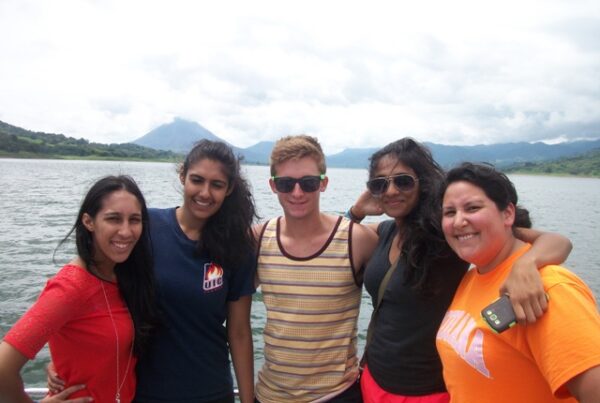
Costa Rican volunteers actively collaborate with local wildlife rescue and rehabilitation centers, lending a helping hand to protect and care for the region’s diverse wildlife.
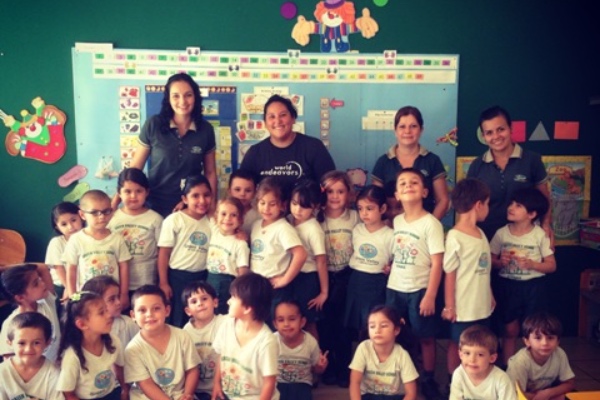
Volunteers in Costa Rica are actively involved in English classes, helping children acquire essential language skills that will serve them well later in life. Additionally, they provide valuable support to teachers by assisting in the classroom and leading extra-curricular activities.
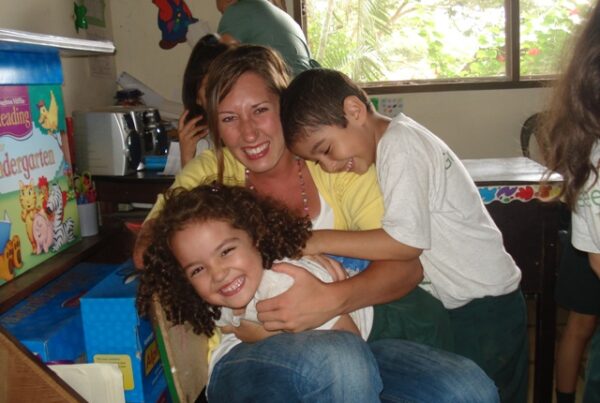
In Costa Rica, volunteers contribute to the education sector by assisting teachers in the classroom and providing personalized tutoring to students, assisting them with class assignments.
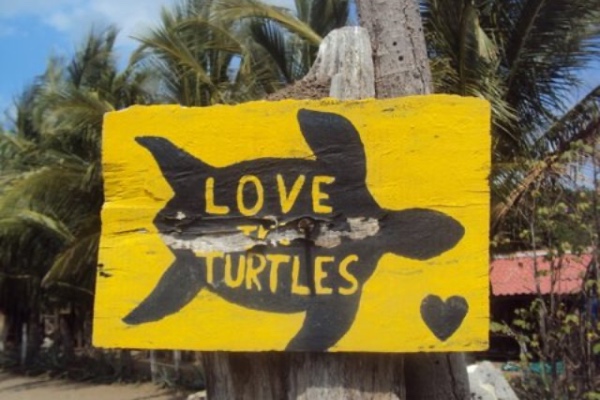
Motivated volunteers team up with nonprofit organizations in Costa Rica, dedicating their efforts to a wide range of initiatives promoting conservation and sustainable development.

Join our volunteer program in Costa Rica, where you can support care facilities and senior centers, engaging with residents and assisting staff members.

Join forces with Costa Rica’s community to provide care, education, and empowerment to underprivileged children.
About Atenas
World Endeavors volunteers live in Atenas, a small, relatively prosperous farming town in the central highlands of Costa Rica where coffee, sugarcane, and fruit are grown. Life here revolves around family and community, and the nightlife consists mostly of family gatherings, barbecues, and shared meals. Local residents can often be found browsing the colorful farmer’s market for fresh produce, enjoying a cup of local coffee at a café, or strolling in the park at the center of the city. Atenas is renowned for its climate, which keeps the city warm in the daytime and cool at night. Public pools and hiking trails make Atenas an appealing destination for those who wish to spend time outdoors, and the town’s location, less than an hour from the capital of San José and the international airport, makes it easily accessible for arriving volunteers.
The World Endeavors Volunteer in Costa Rica program is flexible in duration and can be tailored to last between 1 to 12 weeks. If you have the time, we recommend a stay of at least 4 weeks. Admissions are rolling, and World Endeavors volunteers can choose when they would like to start their program. Due to holidays, traditional vacation schedules, and seasonal work availability, there might be better times than others to volunteer at a specific location or in a specific project.
When you are ready to start planning your volunteer trip to Costa Rica, contact us. Our experienced advisors will help you sort through any timing considerations unique to your destination or your volunteer project.
Please wait until after you are accepted into the program and you have received the confirmed arrival and departure dates before you book your flight.
World Endeavors interns in Costa Rica live with local host families in Atenas in either single or shared rooms with shared bathrooms. They enjoy home-cooked Costa Rican food with their host families. Interns in certain fields, such as environmental conservation, may live in shared accommodations or lodges onsite at their project depending on location.
Our carefully designed international volunteer programs encompass everything necessary for your success and well-being while abroad.
YOUR VOLUNTEER PROGRAM
PEACE OF MIND
ACCOMMODATION
PREPARATION AND SUPPORT
TEAM OF EXPERTS
RE-ENTRY AND CAREER INTEGRATION
HEALTH & SAFETY
When you feel safe and respected abroad, you will flourish. World Endeavors participants are transformed through enriching, rewarding and safe experiences around the world. We meticulously monitor travel recommendations and will only facilitate programs where we can ensure our participants’ safety.
We take key steps to ensure our participants’ well-being, including providing a pre-trip success guide, 24/7 local support, in-country trained staff, pre and post-arrival orientation, comprehensive travel medical insurance, and Mental Health First Aid-certified staff. Please contact us if you have any specific questions or concerns.
WHAT TO DO IN YOUR SPARE TIME IN COSTA RICA
While you’re in Costa Rica, you can enjoy a wide array of exciting activities and experiences. Here are some things you can do in your spare time in Costa Rica:
Here are the available Volunteer Abroad project types. Don’t panic if you don’t see your preferred project type listed! Our advisors are proud of their ability to find great volunteer projects in interesting locations and will be able to match you to the best project. Contact World Endeavors today to find out more.
Choosing your volunteer program is easy when you evaluate your priorities. Follow these steps to guide you toward your ideal program.

Interning abroad offers a great opportunity to explore your professional and personal interests, and help define your career path. Peruse our internship fields and past examples to find the best fit.

Finding a meaningful way to combine interning and travel to your dream location is a big incentive. Carefully consider which destinations suit your interests and international internship goals.

Immersing yourself in a language-rich environment is the ultimate method for developing fluency. If language-learning is your goal, favor destinations that use your language of choice.

Explore scholarships and financial aid to determine if these may impact your destination options. Consider the overall cost of the program and cost of living in-country to identify the optimal match.
Try our program finder to filter based on your choices.
Costa Rica has a total area of 51,100 square kilometers, making it 19,730 square miles.
Costa Rica is a relatively affordable destination, depending on your lifestyle choices. As a popular tourist destination, it holds luxury and convenience outlets that allow visitors to enjoy more exclusive services. It also hosts visitors looking to explore its natural beauty without breaking the bank through affordable living options.
Costa Rica is generally considered a safe travel destination for tourists. It has a reputation for being one of the safer countries in Central America. However, like any travel destination, it’s essential to exercise caution and be aware of your surroundings to ensure a safe and enjoyable trip.
The official language spoken in Costa Rica is Spanish. Spanish is the country’s primary language for communication, government, education, and business. While Spanish is the dominant language, you may also find some English speakers in tourist areas, particularly in the hospitality and tourism industries.
Costa Rica’s official currency is the Costa Rican Colón, often denoted by the symbol “₡” or the code “CRC”. However, despite the official currency, US dollars are widely accepted in many tourist areas, and it’s common for businesses, hotels, and restaurants to display prices in both Colónes and US dollars.
In Costa Rica, wear lightweight clothing like t-shirts, shorts, and dresses in breathable materials. Use sandals or water-resistant shoes for beaches and closed-toe or hiking sandals for activities. Sun protection with a hat, sunglasses, and sunscreen is vital. Also, pack lightweight long-sleeve clothes for insect protection and cooler evenings.
World Endeavors volunteers support communities in several destinations in Africa, the Americas, Asia and Oceania. Our programs are located in a variety of sites, including urban and rural, economically developed and developing, and English-speaking and non-English speaking.
You’ve decided to volunteer abroad – congratulations! Applying for your World Endeavors program is easy and stress-free. We can’t wait to get you on your way!

STEP 1
EXPLORE & ASK
Research and compare. If you can’t decide on a program, we can guide you toward the best fit.

STEP 2
SUBMIT YOUR APPLICATION
Fill out our online application form to share all your relevant details with our team.

STEP 3
ENROLL & PREPARE
Receive your official acceptance and enroll. We’ll give you all the info you need to get ready!

STEP 4
START YOUR ADVENTURE!
You’ve researched, planned and saved. Now you’re ready. It’s time to PUT YOURSELF OUT THERE!


ABOUT US
World Endeavors provides study abroad, internships and customized group programs in over 42 countries around the world, with a focus on building meaningful connections between our participants and their host communities.

OUR NEWSLETTER
Subscribe to the World Endeavors newsletter to receive monthly news, program updates and offers.
ABOUT US
World Endeavors provides study abroad, internships and customized group programs in over 42 countries around the world, with a focus on building meaningful connections between our participants and their host communities.
RESOURCES FOR
Brochure Download
Alumni
Families
Parents
Professionals
Students
University staff
EXPERIENCES
OUR NEWSLETTER
Subscribe to the World Endeavors newsletter to receive monthly news, program updates and offers.
ABOUT US
World Endeavors provides study abroad, internships and customized group programs in over 42 countries around the world, with a focus on building meaningful connections between our participants and their host communities.
RESOURCES FOR
Brochure Download
Alumni
Families
Parents
Professionals
Students
University staff
OUR NEWSLETTER
Subscribe to the World Endeavors newsletter to receive monthly news, program updates and offers.